.webp "Christmas")
.webp "Christmas")
Scrape Cruise Review Trends 2020–2025 to Optimize Service Quality and Itinerary Planning
Introduction
The cruise industry has experienced significant evolution between 2020 and 2025, driven by changing passenger expectations, pandemic-induced operational adjustments, and global expansion of cruise routes. Businesses and analysts looking to optimize service quality, pricing, and guest satisfaction increasingly rely on method to Scrape Cruise Review Trends 2020–2025 to gather structured feedback and identify operational trends. Platforms and tools offering Cruise & Ferry Data Scraping Services enable real-time extraction of passenger reviews, ratings, and sentiment. Through detailed cruise review Data analysis, operators can evaluate service standards, onboard amenities, and overall customer experiences, supporting strategic decision-making and competitive benchmarking across international cruise markets.
Significance of Cruise Review Analysis
Passenger reviews are a crucial source of intelligence for cruise operators, travel agencies, and maritime consultants. Analyzing these insights provides several benefits:
- Service Quality Assessment: Identify strengths and areas for improvement in cabins, dining, entertainment, and excursions.
- Pricing Strategy Optimization: Align perceived value with ticket pricing and seasonal promotions.
- Route Popularity Insights: Understand traveler preferences for itineraries, ports of call, and cruise durations.
- Customer Experience Enhancement: Implement targeted improvements based on real passenger feedback.
- Competitive Benchmarking: Compare services and offerings across cruise lines to identify market gaps.
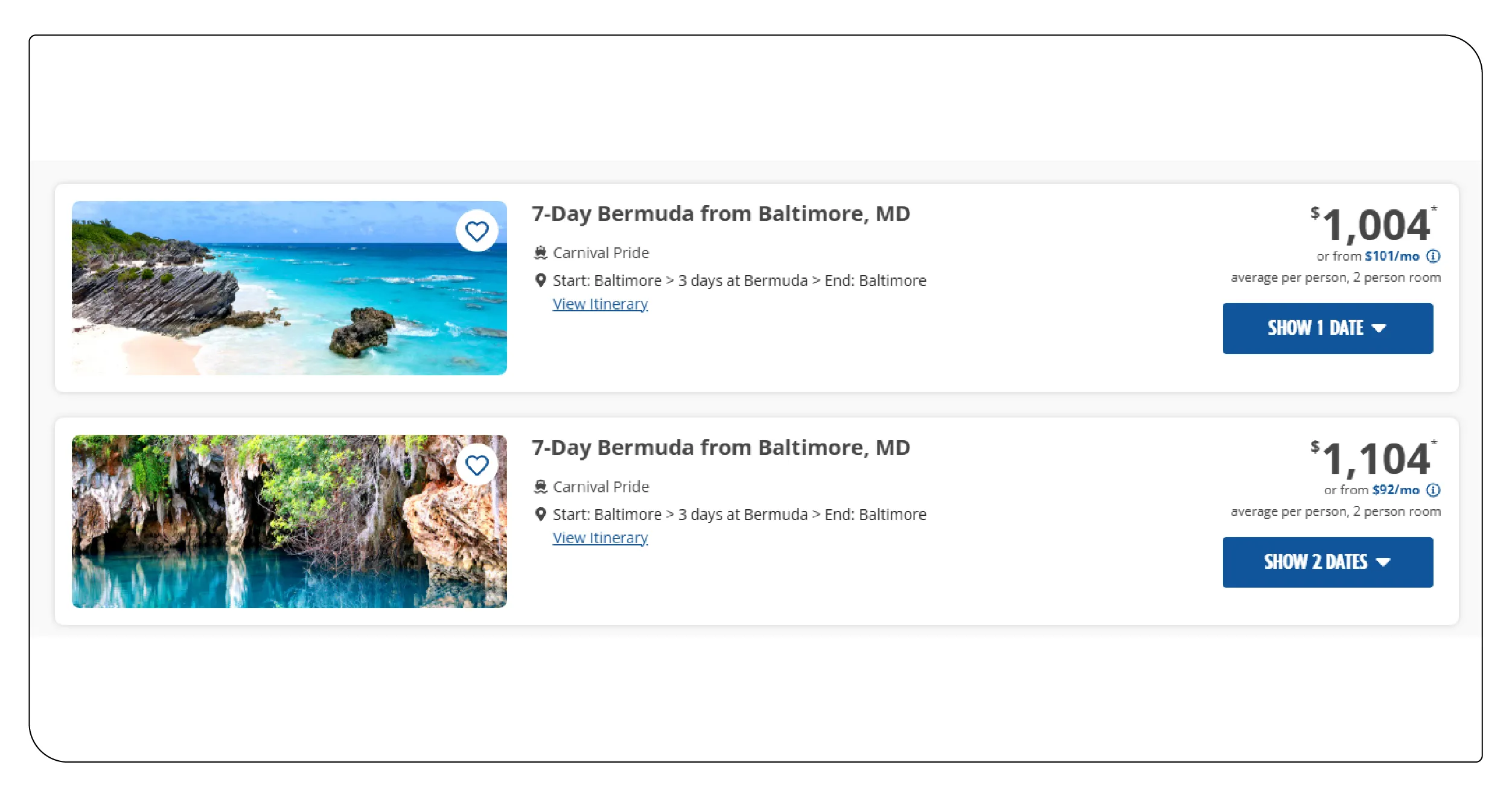
Through systematic Cruise Pricing Intelligence, operators can cross-reference review data with pricing fluctuations, enabling them to enhance revenue strategies while maintaining high satisfaction levels.
Methodology for Cruise Review Extraction
Extracting actionable intelligence from cruise reviews involves a combination of web scraping, automated pipelines, and data processing frameworks.
- Platform Selection: Identify key review sources including Cruise Critic, CruiseLine.com, and TripAdvisor cruise sections.
- Data Extraction Tools: Utilize web scraping cruise feedback Trends tools to capture structured and unstructured data.
- Dataset Structuring: Organize information into categories such as cruise line, ship name, route, rating, review text, traveler type, and travel dates.
- Cleaning & Validation: Standardize formats, remove duplicates, and verify review authenticity.
- Analysis Preparation: Conduct sentiment scoring, trend detection, and cross-route comparison.
Conduct sentiment scoring, trend detection, and cross-route comparison.
Passenger Experience Insights (2020–2025)
Review analysis reveals evolving passenger preferences and expectations:
- Cabin Experience: Comfort, cleanliness, and space efficiency are consistently highlighted in positive reviews.
- Dining & Cuisine: Culinary quality significantly affects overall satisfaction; specialty dining options correlate with higher ratings.
- Entertainment & Activities: Passengers prioritize onboard shows, themed events, and children’s programs.
- Excursions & Shore Activities: Tour options at ports of call drive higher engagement and positive feedback.
- Customer Service: Staff professionalism and responsiveness remain critical for repeat bookings.
Table 1: Average Cruise Ratings by Service Category (Sample 2020–2025 Data)
| Service Category | Average Rating 2020 | Average Rating 2022 | Average Rating 2025 | Key Observation |
|---|---|---|---|---|
| Cabin Comfort | 4.2 | 4.3 | 4.5 | Improved cabin designs post-pandemic |
| Dining & Cuisine | 4.0 | 4.1 | 4.3 | Specialty menus boosted satisfaction |
| Onboard Entertainment | 3.8 | 4.0 | 4.2 | Interactive shows increased ratings |
| Excursions & Activities | 3.9 | 4.1 | 4.3 | Enhanced shore tours popularity |
| Staff Service | 4.1 | 4.2 | 4.4 | Training programs improved feedback |
Cruise Pricing & Market Trends
Review extraction also provides insights into pricing perception and market segmentation. By correlating passenger feedback with ticket prices, analysts can identify whether higher pricing aligns with perceived value.
Table 2: Average Ticket Pricing vs Passenger Satisfaction (Sample 2020–2025 Data)
| Cruise Line | Avg Ticket Price 2020 (USD) | Avg Ticket Price 2025 (USD) | Avg Rating 2020 | Avg Rating 2025 | Pricing Insight |
|---|---|---|---|---|---|
| Royal Caribbean | 1,200 | 1,450 | 4.1 | 4.5 | Price increase justified by service |
| Carnival Cruise | 900 | 1,050 | 3.9 | 4.2 | Improved satisfaction at mid-range cost |
| Norwegian Cruise | 1,100 | 1,300 | 4.0 | 4.3 | Specialty dining & activities enhance value |
| MSC Cruises | 850 | 1,000 | 3.8 | 4.1 | Budget-friendly with consistent service |
| Princess Cruises | 1,250 | 1,500 | 4.2 | 4.6 | Premium services justify pricing |
The analysis demonstrates that strategic pricing combined with service enhancements positively influences passenger satisfaction. Cruise operators can leverage this data to design dynamic pricing, seasonal offers, and loyalty programs.
Applications of Cruise Review Extraction
The insights derived from review extraction have several practical applications:
- Operational Improvement: Targeted enhancements in cabins, dining, or activities based on passenger feedback.
- Marketing & Promotion: Highlight positive experiences for advertising and loyalty program initiatives.
- Competitive Benchmarking: Identify underperforming routes or services compared to competitors.
- Revenue Management: Adjust ticket pricing based on perceived value and service improvements.
- Predictive Planning: Forecast seasonal demand and passenger expectations using historical sentiment trends.
Leveraging Global Cruise Route Dataset alongside review sentiment allows operators to map customer expectations against specific itineraries, improving satisfaction across all regions.
Future Outlook (2025 and Beyond)
.webp)
The global cruise industry is poised for continued growth, driven by expanding itineraries, luxury accommodations, and sustainable travel initiatives. Passengers now demand more personalized experiences, including tailored onboard activities, health-conscious dining, and immersive shore excursions. To meet these expectations, operators increasingly rely on tools that extract cruise service quality ratings, enabling them to assess performance across cabins, dining, entertainment, and excursions. Additionally, platforms that Scrape Cruise passenger experience provide real-time insights into traveler feedback, helping identify satisfaction trends and operational gaps. By leveraging these data-driven intelligence solutions, cruise lines can proactively enhance service offerings, optimize itineraries, and implement targeted improvements. Such strategic insights ultimately strengthen passenger loyalty, increase repeat bookings, and maintain a competitive edge in the evolving global cruise market.
Conclusion
Maintaining a competitive edge in the cruise industry requires systematic extraction and analysis of passenger feedback. By leveraging method to Scrape Cruise Reviews, operators gain clear insights into traveler sentiment, onboard service quality, and overall operational performance. Combining data from multiple sources allows businesses to extract cruise market review comparison, supporting strategic decisions. Integrating pricing intelligence tools to Scrape Cruise Route And Price helps optimize revenue and align ticket pricing with market expectations. Real-time monitoring of passenger feedback, structured datasets, and automated data pipelines enable cruise lines to enhance customer experience, refine itinerary planning, and improve marketing initiatives. These data-driven strategies contribute to increased bookings, higher repeat customer rates, and sustained operational excellence across evolving global cruise markets.
Ready to elevate your travel business with cutting-edge data insights? Scrape Aggregated Flight Fares to identify competitive rates and optimize your revenue strategies efficiently. Discover emerging opportunities with tools to Extract Travel Website Data, leveraging comprehensive data to forecast market shifts and enhance your service offerings. Real-Time Travel App Data Scraping Services helps stay ahead of competitors, gaining instant insights into bookings, promotions, and customer behavior across multiple platforms. Get in touch with Travel Scrape today to explore how our end-to-end data solutions can uncover new revenue streams, enhance your offerings, and strengthen your competitive edge in the travel market.